Explore by category
From the editors
How Sneakers Deal works — our methodology, in our own words.
Basketball shoes: from the NBA locker room to your game — everything we cover
The basketball shoe market reached $2.84 billion in 2026, driven by over 310 million active players globally and a professional ecosystem that turns every NBA season into a product launch calendar. The numbers behind the market tell only part of the story. The more interesting data is on the court itself.
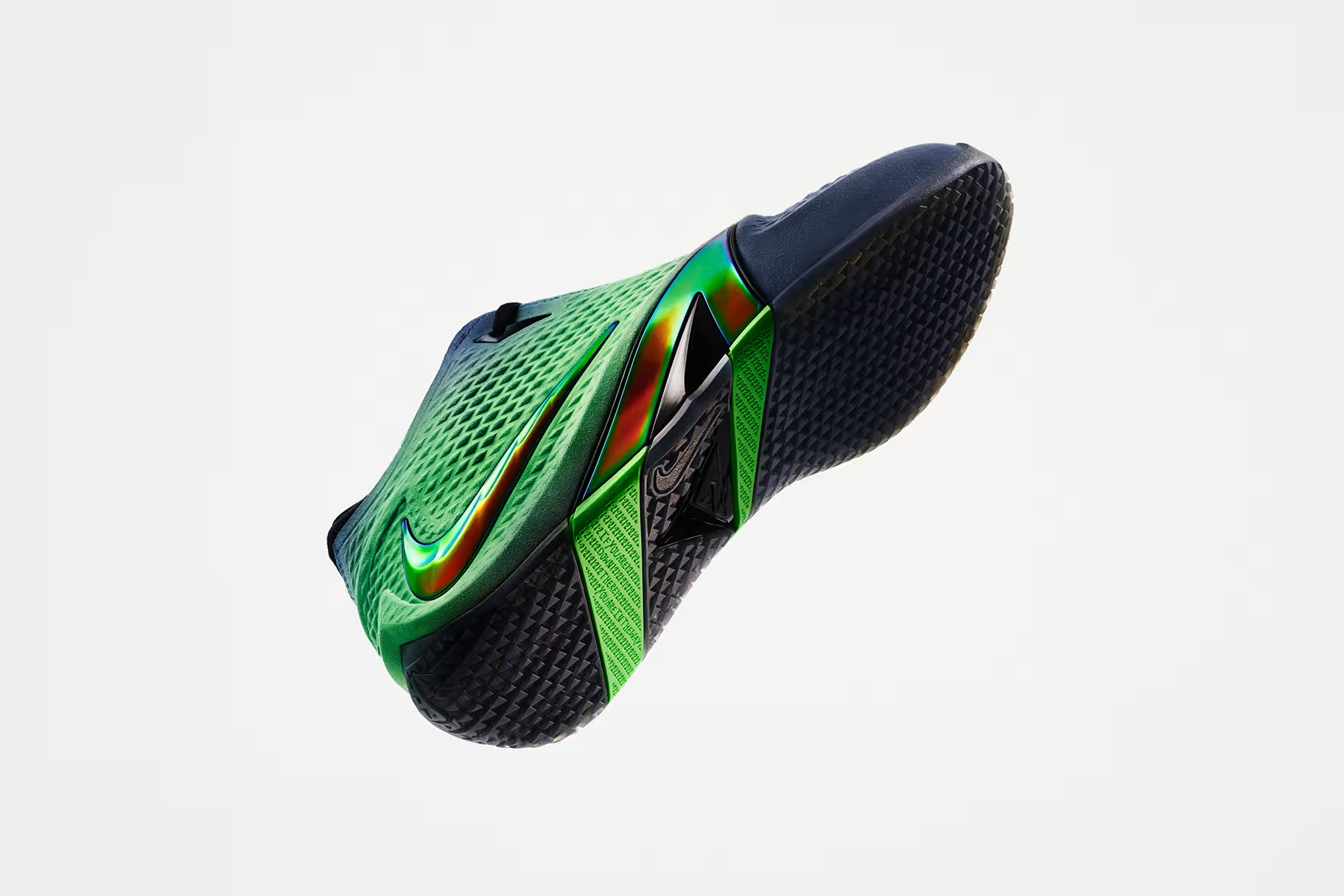
Nike and Jordan Brand combined held 17 of the top 25 most-worn shoes in the NBA in 2024-25 by minutes played, with the Kobe 6 leading the league by a 93% margin — the full breakdown lives on the Nike basketball page. Nike and Jordan models together account for nearly 70% of secondary market value worldwide.
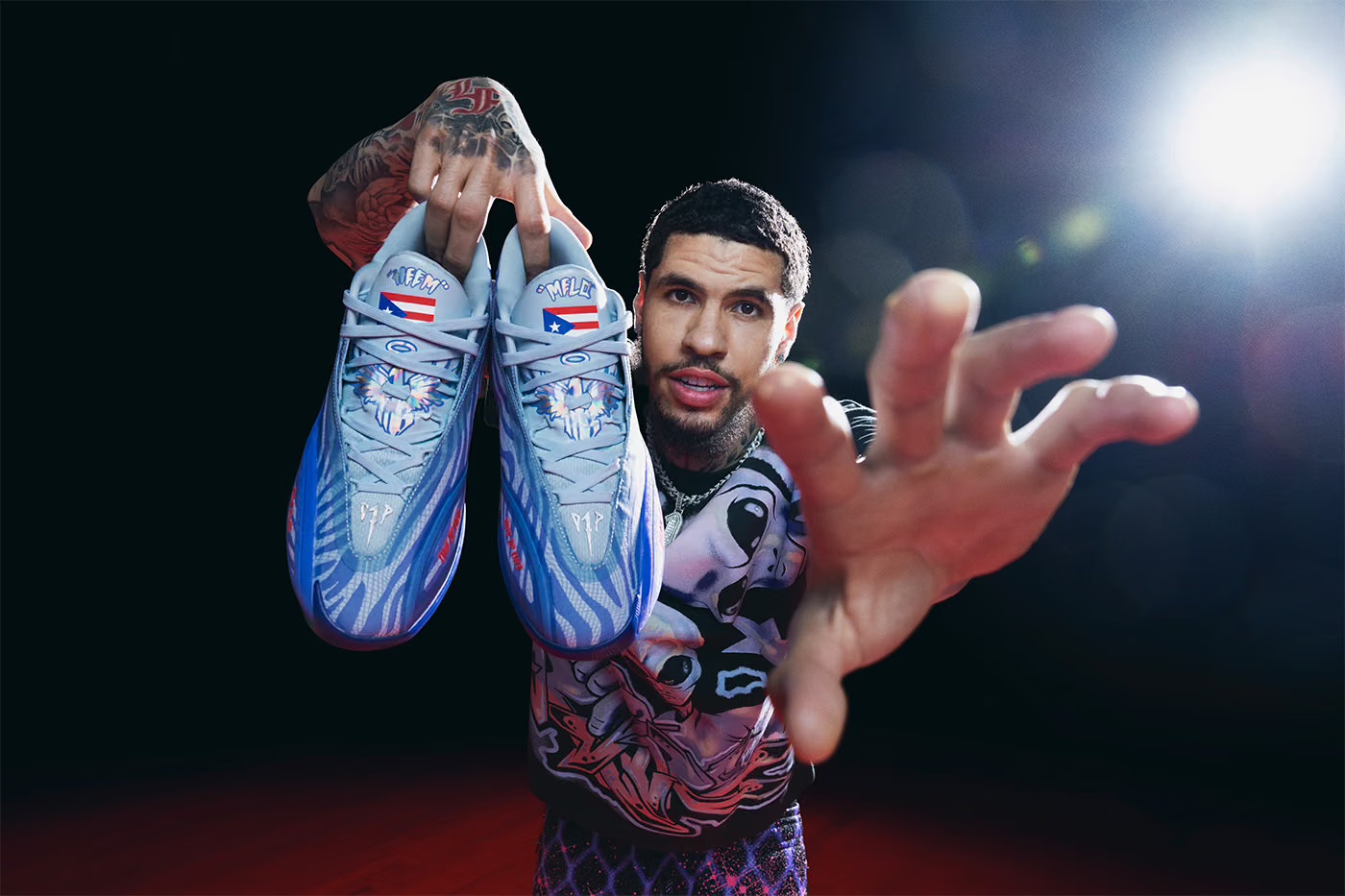
Behind the dominance, the competition is getting more interesting. adidas has its most credible performance roster in years with Anthony Edwards, James Harden, Damian Lillard, and Donovan Mitchell. PUMA rebuilt from zero with LaMelo Ball's MB series. New Balance is building quietly with Kawhi Leonard, Tyrese Maxey, and Cooper Flagg. Chinese brands like Anta and 361° are gaining locker room credibility that wasn't on anyone's radar five years ago.
At Sneakers Deal, we track every significant basketball shoe release — performance specs, retail prices, drop dates, and the court minutes data that tells you whether a shoe is actually being trusted by NBA players or just marketed to them. Four brand pages cover the market in detail:
Lifestyle sneakers: six brands, one obsession — how we track the market
The global sneaker market reached $101.7 billion in 2026. Lifestyle sneakers — the segment that has nothing to do with athletic performance and everything to do with culture, identity, and the right drop at the right moment — account for the majority of that figure. Nike and adidas together control approximately 57% of the global sneaker market, but the most culturally interesting stories in 2026 are happening at the edges of that duopoly.
The adidas Samba went from a forgotten 1949 football shoe to the most photographed sneaker on the planet in under two years. The New Balance 550, originally a 1989 basketball shoe, was revived through a single Aimé Leon Dore collaboration and is now outselling everything else in New Balance's catalog. The ASICS Gel-Kayano 14, a 2008 stability running shoe designed for overpronators, is a 2025 grail commanding $300+ at collab retail. PUMA's Speedcat — a 1999 Formula 1 racing shoe nobody was talking about in 2023 — saw a 2,638% rise in searches in 2024. Nike is in the middle of a comeback attempt after Dunk and Air Force 1 saturation eroded its lifestyle credibility. Jordan Brand retros continue to generate $7 billion in annual revenue for a player who retired in 2003.
These are not trends that follow a predictable pattern. They're the result of collab ecosystems, cultural timing, and brand decisions that can turn an obscure archive silhouette into a sell-out in weeks. Tracking them requires more than a release calendar — it requires understanding why something moves when it does.
We cover six brands in detail:
How Sneakers Deal works: data over hype, every time
Most sneaker coverage is reactive — a brand drops a press release, a site posts it, a reader reads it. We operate differently. Every recommendation on Sneakers Deal is backed by data: NBA court minutes, StockX resale prices, lab test scores, retail vs secondary market comparisons. When we say the Nike Kobe 6 is the most-worn shoe in the NBA, we cite the minutes. When we say the adidas Samba peak hype has passed, we cite the sell-out rate data.
We don't run advertising from sneaker brands. We don't get paid to recommend products. Our editorial positions are ours — and when our opinion differs from the market consensus, we explain why.
The goal is simple: you arrive with a question about a shoe, a brand, or a drop, and you leave with better information than you came with. Whether that's a buying decision, a release date, or an understanding of why a 1949 football shoe is suddenly everywhere — we cover it.
The brands we cover — and why these six dominate the market right now
The sneaker and basketball shoe market in 2026 is not a level playing field. Six brands generate the majority of the cultural and commercial activity worth tracking. Here's the honest picture on each.
Nike is the undisputed leader in basketball — 45% global market share, 5x more NBA court minutes than the nearest competitor, three lifetime endorsement deals with Michael Jordan, LeBron James, and Kevin Durant. In lifestyle, the picture is more complicated: the Dunk and Air Force 1 hit saturation point, and Nike is currently executing a scarcity reset under new CEO Elliott Hill. The comeback is underway. Whether it lands is the story to watch in 2026.
adidas survived the Yeezy collapse — $1.7 billion in annual revenue gone overnight — by mining its own archive. The Samba, the Gazelle, the Campus 00s filled the vacuum. The rebound was faster than anyone expected. In basketball, Anthony Edwards has given the brand its most credible performance moment in years.
Jordan Brand generates $7 billion annually on the legacy of a player retired since 2003. The retro machine remains the most powerful in the industry. Tatum and Dončić carry the current performance roster. The Travis Scott collab ecosystem keeps the brand culturally present across music, fashion, and streetwear simultaneously.
PUMA tells two different stories depending on which category you look at. In lifestyle, the Speedcat breakout, A$AP Rocky's F1 creative directorship, and the ongoing Fenty partnership have made 2024-2026 the brand's strongest cultural run in decades. In basketball, LaMelo Ball generates hype but the brand is losing court presence. Two very different trajectories, same brand.
New Balance executed one of the cleanest brand reversals of the last decade. The 550, the 990, the 2002R — three archive silhouettes turned a brand associated with middle-aged runners into one of the most culturally relevant names in lifestyle sneakers. Made in USA remains a genuine differentiator no competitor can replicate. Basketball is a different story: the Cooper Flagg bet is the pivot that could change the narrative.
ASICS is the most counterintuitive story in the market. A Japanese performance running brand — biomechanics, not hype — became a sneakerhead obsession through a collab ecosystem built by Ronnie Fieg, Kith, and A.P.C. The Gel-Kayano 14 paradox: designed for overpronators, coveted by fashion editors. The GT-2160 is the brand's second lifestyle anchor. The brand proved that performance heritage, when recontextualized correctly, is more powerful than manufactured hype.