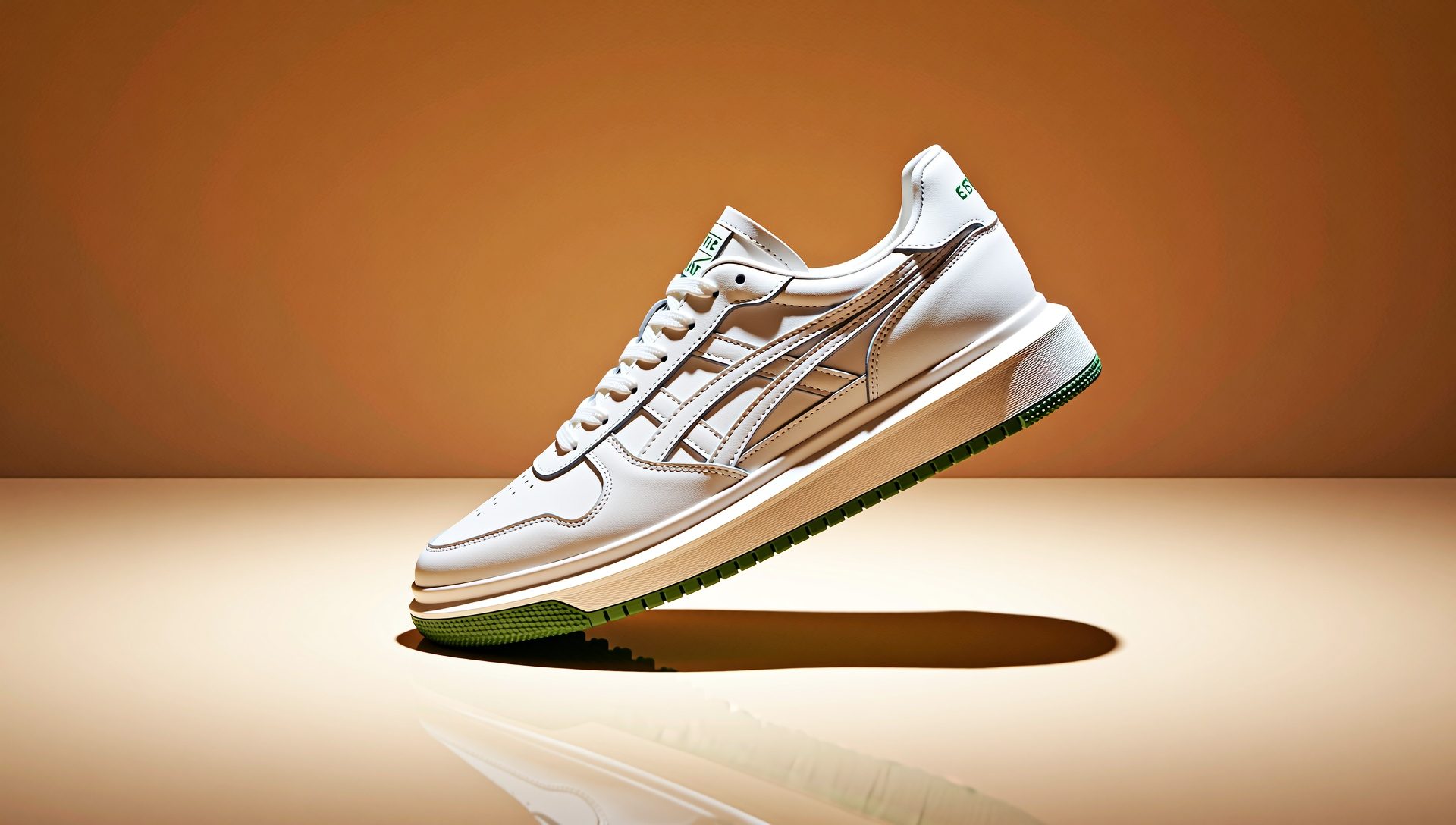
The best sneakers deals are here
Sneakers have gone from gym floors to runways, from niche collector culture to a $100B+ global industry — and the pace of drops has never been faster. At Sneakers Deal, we track every significant release across the brands that actually matter: Nike, adidas, Jordan, PUMA, New Balance, and ASICS. Whether you're chasing a basketball signature or a lifestyle grail, this is where you start.
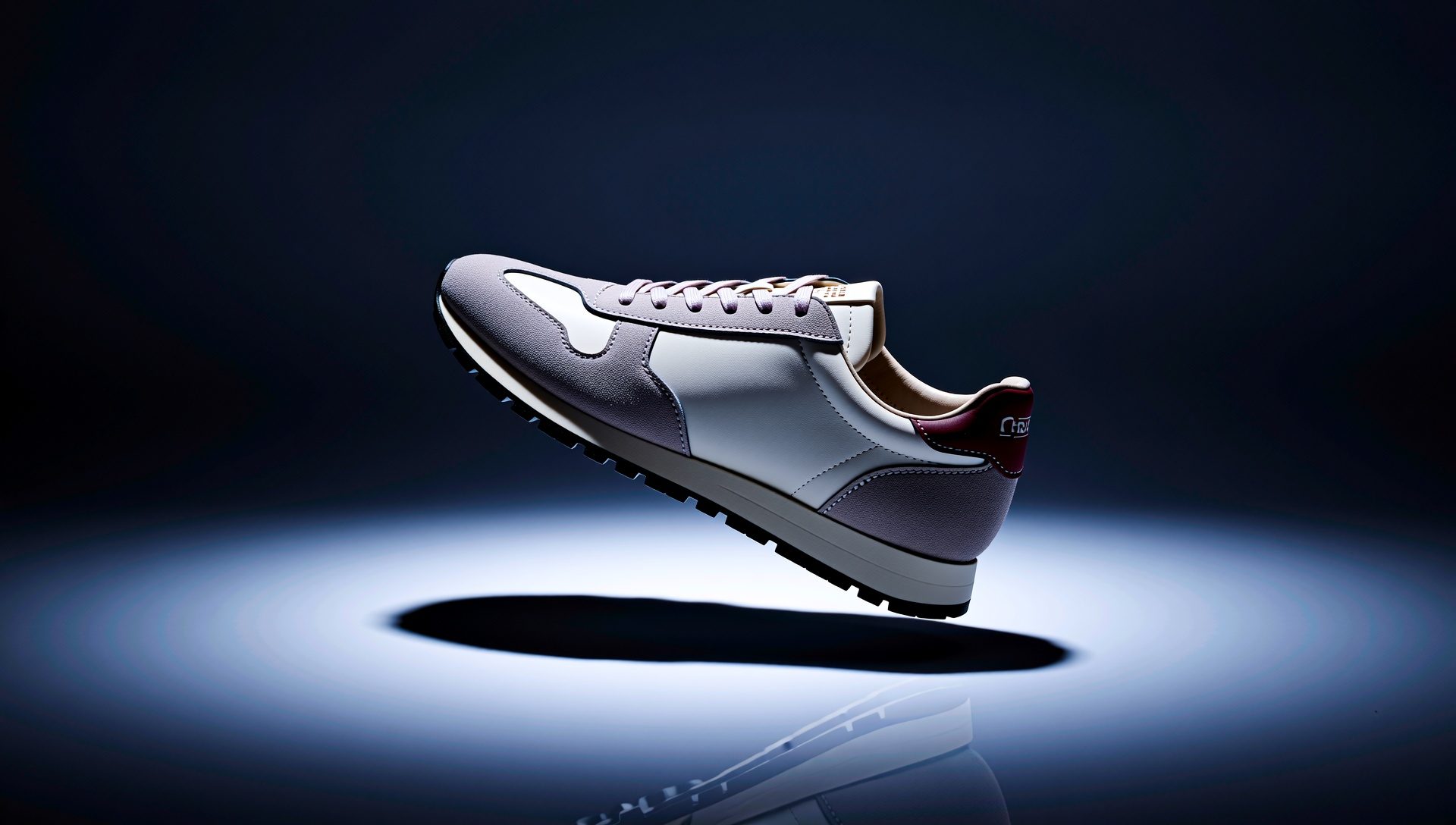
Explore by brand
Asics: brand signal tracker
Our full read on Asics: brand signal tracker.
New Balance 2000 'Silver Moss' Rumor Watch
Our full read on New Balance 2000 'Silver Moss' Rumor Watch.
adidas Sneakers
Our full read on adidas Sneakers.
Nike Sneakers
Our full read on Nike Sneakers.
PUMA Sneakers
Our full read on PUMA Sneakers.
Jordan Brand Sneakers
Our full read on Jordan Brand Sneakers.
From the court to the street: why basketball and lifestyle sneakers now share the same culture
The line between a basketball shoe and a lifestyle sneaker stopped meaning much somewhere around 2015. The Air Jordan 1 was originally a performance shoe — banned by the NBA for violating uniform rules in 1985. Today it's one of the most collected lifestyle objects on the planet. The Nike Dunk was a basketball shoe first, a skateboarding icon second, and a streetwear staple third. The ASICS Gel-Kayano 14 was a 2008 running shoe that became a 2024 grail through a wave of high-fashion collaborations nobody predicted.
This convergence isn't accidental. Brands figured out that the most valuable thing a sneaker can carry isn't cushioning technology — it's a story. A player's legacy, a cultural moment, a collab that makes no obvious sense but generates exactly the right kind of friction. Performance credibility gives lifestyle sneakers authenticity. Lifestyle hype gives performance brands cultural relevance beyond the court.
At Sneakers Deal, we cover both universes because the consumer does too. The same person buying the Kobe 6 Protro for weekend hoops is watching for the next New Balance 550 drop. We don't separate the two — we track where they intersect.
Basketball shoes in 2026: Nike still dominates, but the gap is closing
The global sneaker market reached $101.7 billion in 2026. Basketball is one of its most competitive segments — and the brand dynamics are more interesting than the headline numbers suggest.
Nike's court dominance is documented: in the 2024-25 NBA season, the brand accounted for over five times more minutes played than the nearest competing brand, with the Kobe 6 Protro leading all models — details on the Nike basketball page. But in 2026, Ja Morant and Anthony Edwards are positioned to challenge that grip, and brands like Anta are gaining locker room credibility that wouldn't have seemed possible five years ago.
adidas stays relevant through depth — Anthony Edwards, James Harden, Damian Lillard, and Donovan Mitchell give the Three Stripes a roster few brands can match. PUMA has rebuilt from near-zero with LaMelo Ball's MB series. Jordan Brand carries the legacy while staying current through Jayson Tatum and Luka Dončić.
Lifestyle sneakers in 2026: the six brands shaping the market right now
The lifestyle sneaker market is in flux. At Sport 2000 — 3,000 locations across Europe — lifestyle footwear dropped from 25% of sales in 2024 to 18-19% in 2025, squeezed by heavy promotions and shifting consumer tastes. Nike lost market share in 2025, while adidas, New Balance, and Skechers gained ground. The days of one brand setting the agenda are over.
What's actually driving the market right now is the retro revival. Heritage lines are back — ASICS' GT-2160 and New Balance's 574 Legacy are generating strong revenue growth fueled by millennial nostalgia. The adidas Samba went from a forgotten football shoe to one of the most-worn silhouettes on the planet. PUMA is rebuilding its lifestyle credibility through a combination of archive reissues and unexpected collaborations.
Nike sneakers — navigating a comeback after losing lifestyle ground. The retro line still moves units. adidas sneakers — the Samba moment was real, and the brand is capitalizing on it. Jordan Brand sneakers — retro Jordans are in a category of their own. PUMA sneakers — the Suede is still one of the most underrated classics in the market. New Balance sneakers — the 550 and 990 series turned a running brand into a lifestyle powerhouse. ASICS sneakers — the running-to-streetwear pivot worked.
How we cover sneakers at Sneakers Deal: what you'll find, and why it's different
We're not a sneaker news aggregator. We don't repost brand press releases. Every page on Sneakers Deal is built around a specific editorial angle — models, collabs, athletes, price points — with real data behind the picks.
When we recommend a shoe, we explain why. When something is overpriced, we say so. When a brand is losing ground, we track it. The goal is simple: you leave with better information than you arrived with.
What we're watching: the drops and trends we have our eye on right now
The retro revival isn't slowing down — but it's getting more selective. Consumers are increasingly resistant to paying full retail for a reissue that has no story attached. The collabs that cut through in 2026 are the ones with a genuine cultural angle, not just a new colorway on an old silhouette.
On the basketball side, the next signature shoe generation is taking shape. Edwards, Morant, and Wembanyama are the athletes brands are betting on for the next decade. Watch which models start accumulating court minutes — that's the leading indicator.
We update our brand pages regularly as new drops hit. Start with the brand you follow closest, and use the links above to navigate.
Related pages
Nike basketball page
Basketball shoes in 2026: Nike still dominates, but the gap is closing
Explore Nike basketball shoes
Basketball shoes in 2026: Nike still dominates, but the gap is closing
Explore adidas basketball shoes
Basketball shoes in 2026: Nike still dominates, but the gap is closing
Explore PUMA basketball shoes
Basketball shoes in 2026: Nike still dominates, but the gap is closing
Explore Jordan Brand basketball shoes
Basketball shoes in 2026: Nike still dominates, but the gap is closing
Nike sneakers
Lifestyle sneakers in 2026: the six brands shaping the market right now
adidas sneakers
Lifestyle sneakers in 2026: the six brands shaping the market right now
Jordan Brand sneakers
Lifestyle sneakers in 2026: the six brands shaping the market right now
PUMA sneakers
Lifestyle sneakers in 2026: the six brands shaping the market right now
New Balance sneakers
Lifestyle sneakers in 2026: the six brands shaping the market right now
ASICS sneakers
Lifestyle sneakers in 2026: the six brands shaping the market right now