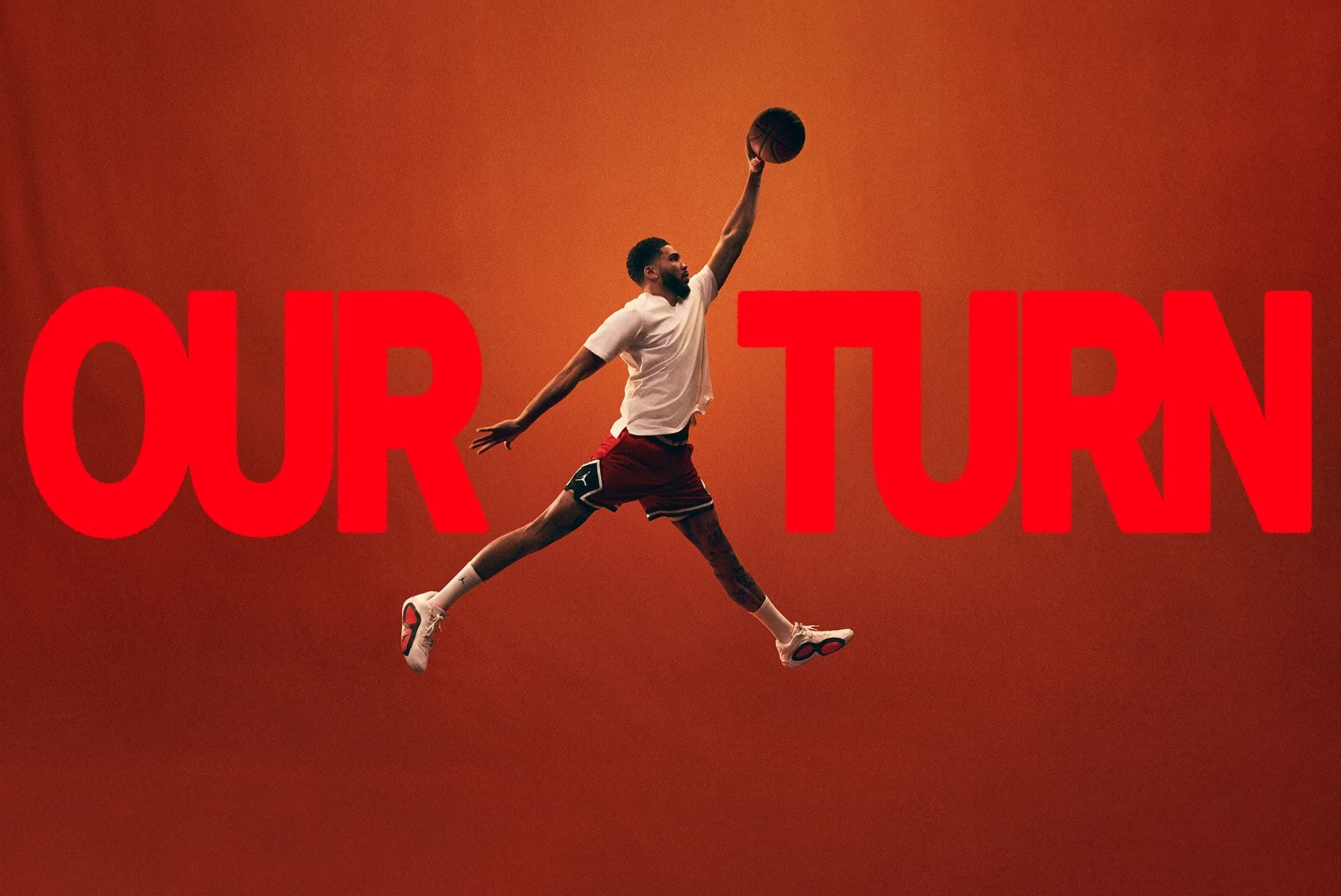
Jordan brand basketball shoes
Jordan Brand is the only basketball shoe company built on a single player's career — and still generating $7 billion a year two decades after that player retired. The Air Jordan 1 was banned by the NBA in 1985. The "Banned" campaign is still running in 2025, featuring Luka Dončić and Travis Scott. That's not nostalgia. That's brand architecture. The performance side — Tatum, Dončić, the Air Jordan 40 — keeps the Jumpman honest on court. The retro machine keeps it culturally permanent off it.
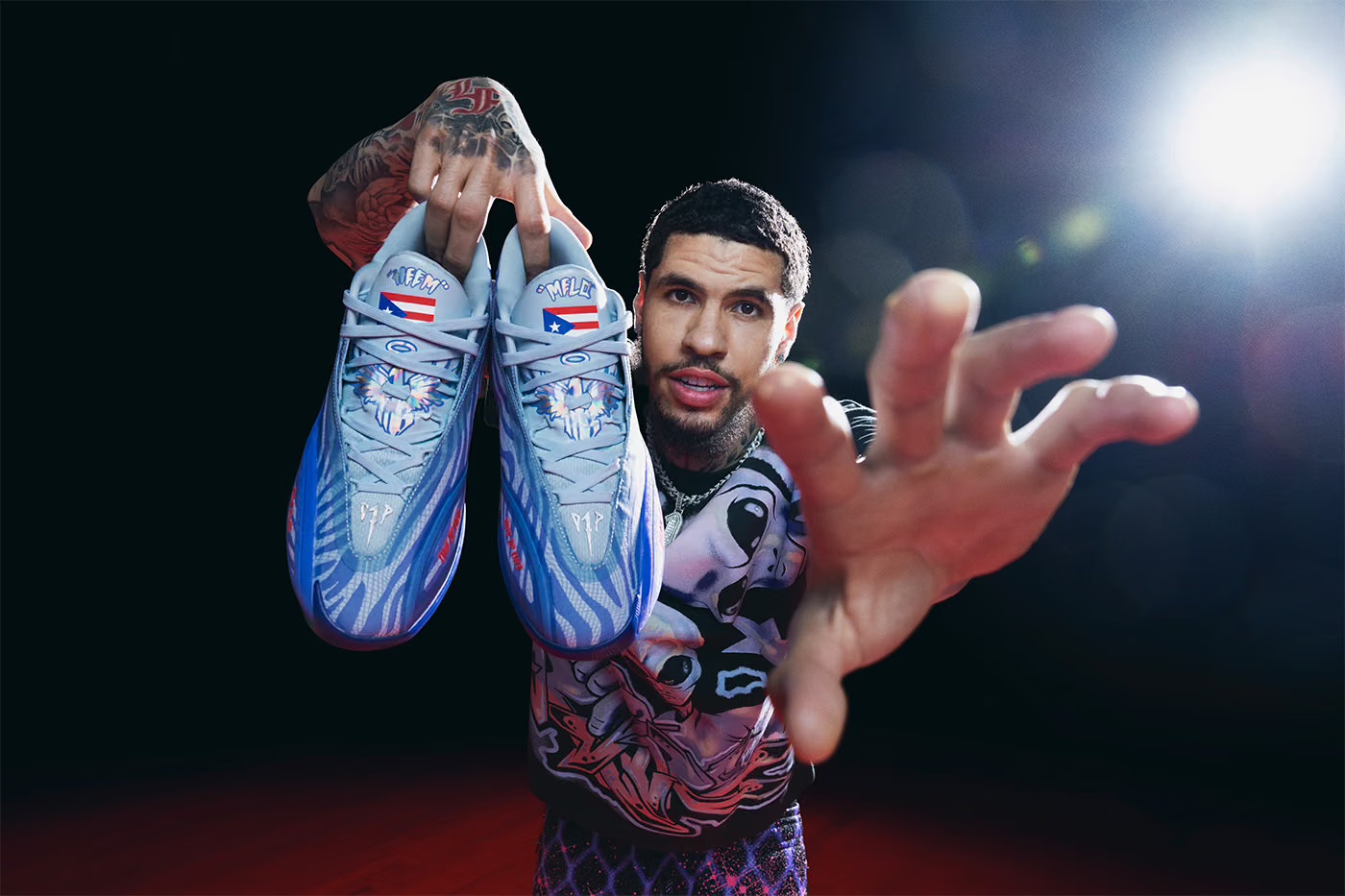
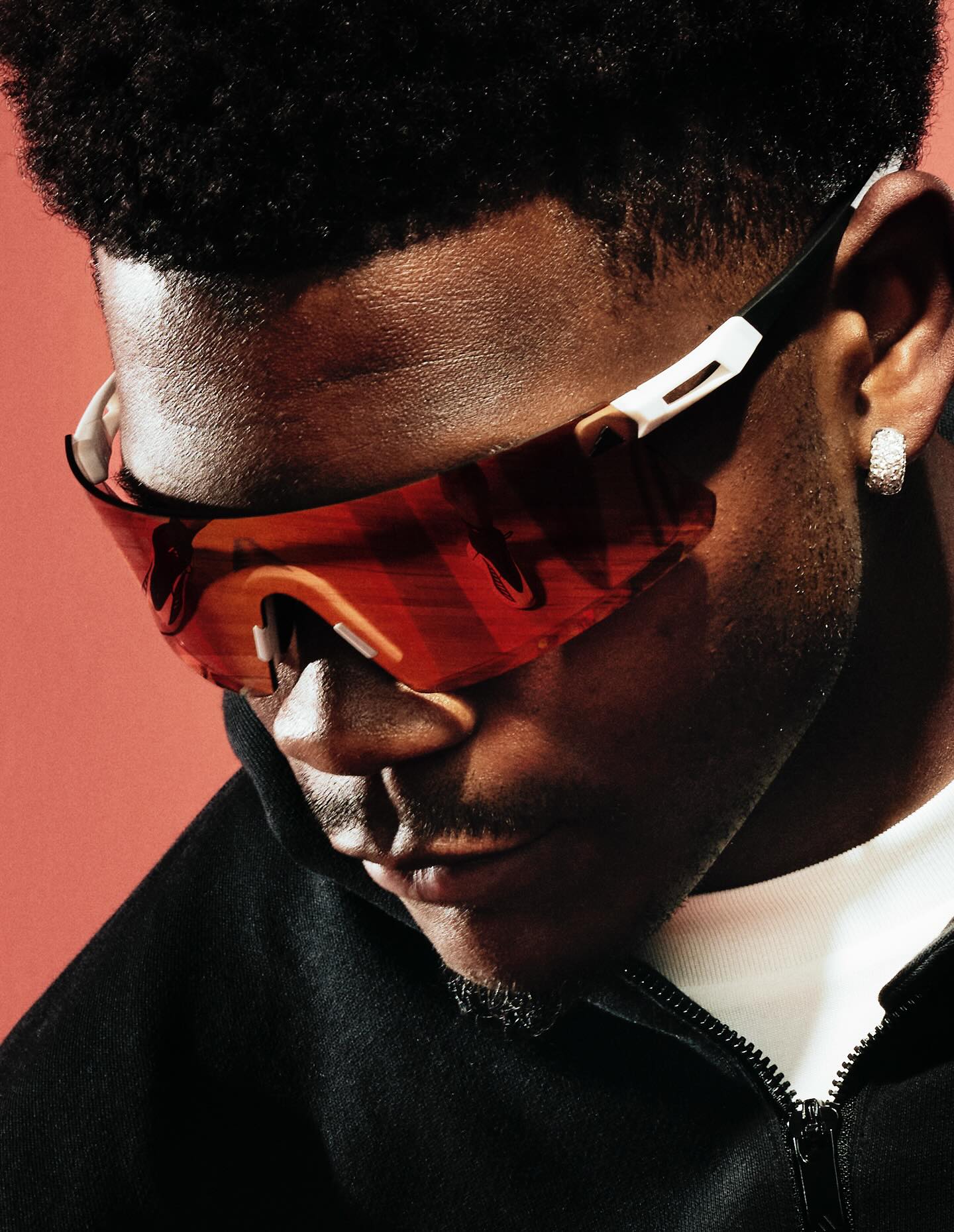
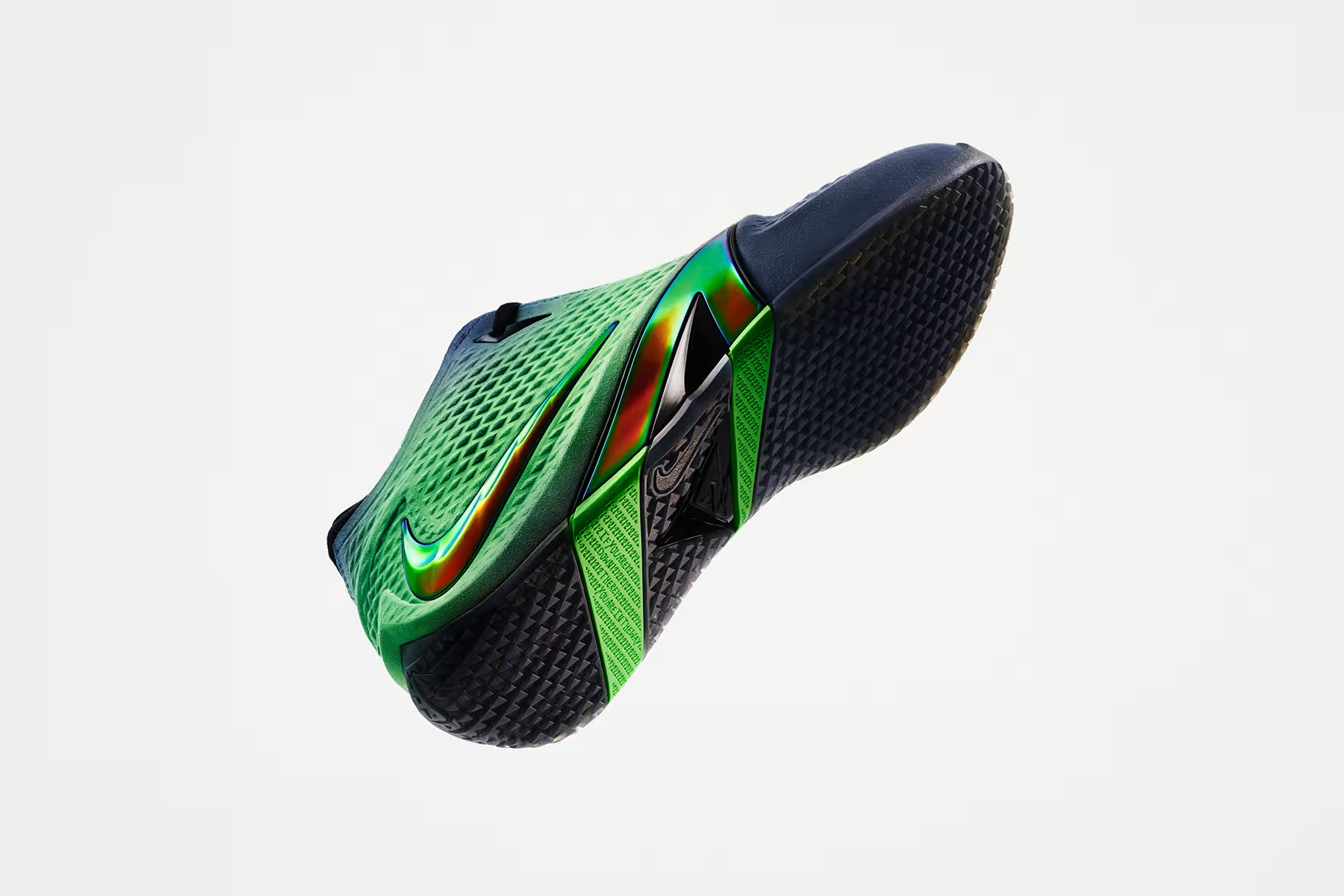
$5,000 per game fines and $126 million in year one — the Jordan Brand origin story
Jordan Brand didn't begin as a brand. It began as a shoe. In 1985, Nike signed a 21-year-old Michael Jordan and released the Air Jordan 1 — a shoe so bold in its colorways that the NBA fined Jordan $5,000 per game for violating uniform rules. Nike paid every fine. The controversy generated more attention than any marketing campaign could have bought.
Nike expected $3 million in first-year sales from the Air Jordan line. It generated $126 million instead. Retailers moved 450,000 pairs within a month at $65 each. The "banned" story became sneaker culture mythology — and it's still being leveraged today. In 2024-2025, Jordan Brand ran a 40th anniversary "Banned" campaign featuring Luka Dončić and Travis Scott, connecting a 1985 moment to the brand's current most important cultural partnerships.
Jordan Brand became a standalone Nike division in 1997. From 2014 to 2024, Jordan Brand revenue grew 268%, doubling between 2020 and 2024 alone. In fiscal 2024, the brand generated $7 billion in revenue — Nike's strongest performing division.
From the AJ1 to the AJ11: the Jordan models that defined what a basketball shoe could be
Jordan Brand's basketball catalog is the most storied in the industry. Every model carries a specific chapter of Michael Jordan's career — each colorway tied to a playoff run, a championship, a cultural moment that gave the shoe its weight.
The Air Jordan 3, designed by Tinker Hatfield, was the shoe Jordan wore when he declared he would retire if Hatfield wasn't kept on the project. The Air Jordan 11 — patent leather uppers, carbon fiber plate, worn during the 1995-96 championship season — is still considered one of the most beautiful basketball shoes ever designed.
The Jordan Tatum 4, the lightest Jordan basketball shoe ever produced, weighs 12.4 oz (352g) — more than an ounce lighter than the category average — while maintaining a heel shock absorption score of 100 SA. The Jordan Luka 4 features an IsoPlate foot frame that achieves maximum torsional rigidity (5/5) to prevent the foot from rolling during powerful directional moves. The archive and the current performance line exist in parallel — the retros sustain the culture, the performance models sustain the credibility.
Retired since 2003, earning $300M a year — the Michael Jordan signature paradox
Michael Jordan last played an NBA game in April 2003. He earns approximately $300 million annually from Nike royalties in 2026. That gap — 23 years between retirement and peak earning — is the clearest illustration of what Jordan Brand has become: a cultural institution that operates entirely independently of its founder's playing career.
The "performance" basketball sneaker market has declined over the past decade, but the retro and lifestyle business has more than made up for those declines. The Air Jordan 13 "The Last Dance" was auctioned for $2.2 million — a number that has nothing to do with basketball performance and everything to do with cultural permanence.
Jordan Brand has become the most successful example in sports marketing history of a brand outliving its athlete's career. Whether that can continue into a second generation of consumers who didn't watch Jordan play is the defining question for the brand's next decade.
The comeback shoe: Jayson Tatum's Jordan Tatum 4 and what it represents
Jayson Tatum suffered an Achilles injury in the 2025 NBA Playoffs that sidelined him for the majority of the 2025-26 season. Jordan Brand launched his fourth signature shoe anyway — and built the entire campaign around the injury. According to Jordan Brand, "Tatum will never be the same — and that's the point." The Tatum 4 was positioned as a comeback shoe before Tatum had even returned to the court.
The Jordan Tatum 4 retails at $135 for adults and launched in the "St. Louis" colorway, celebrating Tatum's hometown with a signature JT flair including a '0' designed to look like his diamond chain pendant. The Tatum 4 is an improvement upon its predecessor in most ways and will be remembered as Tatum's comeback shoe. When Tatum returns to full fitness, the shoe already has a narrative that his performance will validate.
The European takeover — Luka Dončić's Jordan line and what it says about basketball's global shift
Luka Dončić signed a five-year, $75 million contract with Jordan Brand in 2019, becoming the sixth player in history to have a signature sneaker with Jordan Brand when the Jordan Luka 1 debuted in September 2022. The signing was a bet on basketball's global expansion — a Slovenian player who had become one of the most watched players in the league.
After his trade to the Los Angeles Lakers, Jordan Brand used the moment to debut the Luka 4 — tying the shoe's launch to one of the biggest storylines in the NBA that season. The Luka line has now reached its fifth model with the Jordan Luka 5 debuting in early 2026.
The Jordan Luka 4 features full-length Cushlon foam and an Air Zoom unit — a snappy ride for guards built around Dončić's multidirectional, high-usage playing style. Dončić's global fanbase gives the brand reach beyond North America in markets that were previously underserved by Jordan's signature program.
NBA athletes with Jordan Brand: who represents the brand?
Jordan Brand's current performance roster:
- Luka Dončić (drafted 2018) — Jordan Luka, currently Luka 5; signed 2019 for $75M over 5 years; sixth player in history to receive a Jordan signature
- Jayson Tatum (drafted 2017) — Jordan Tatum, currently Tatum 4; $135 retail; comeback shoe narrative after 2025 Achilles injury
- Paolo Banchero (drafted 2022) — player-exclusive Jordan colorways; signature line in development
- Zion Williamson (drafted 2019) — Jordan Zion, line sunsets after Zion 4; 48% of career games missed since 2019
Here's what's coming next from Jordan Brand basketball
Jordan Brand's basketball release calendar for 2026 is built around the Tatum 4 colorway rollout, the Jordan Luka 5, and ongoing Air Jordan retro drops. Tatum is expected to have his next signature model by the end of 2026.
We track every confirmed Jordan Brand basketball release on this page — performance models, retro drops, and the collabs that generate their own cultural moment.
Signature lines
Luka
Luka 4 · 5
Sixth Jordan signature athlete. $75M over 5 years.
Tatum
Tatum 3 · 4
Comeback narrative. $135 retail, Finals-tested.
Paolo
PE only
Player-exclusive colorways. Signature in development.
Zion
Zion 3 · 4
Line sunsets after Zion 4. 48% of games missed since draft.
NBA athletes
| Name | Draft year | Current model | Contract | Retail price | Notes |
|---|---|---|---|---|---|
| Luka Dončić | 2018 | Jordan Luka, currently Luka 5 | signed 2019 for $75M over 5 years | — | sixth player in history to receive a Jordan signature |
| Jayson Tatum | 2017 | Jordan Tatum, currently Tatum 4 | — | $135 retail | comeback shoe narrative after 2025 Achilles injury |
| Paolo Banchero | 2022 | player-exclusive Jordan colorways | — | — | signature line in development |
| Zion Williamson | 2019 | Jordan Zion, line sunsets after Zion 4 | — | — | 48% of career games missed since 2019 |