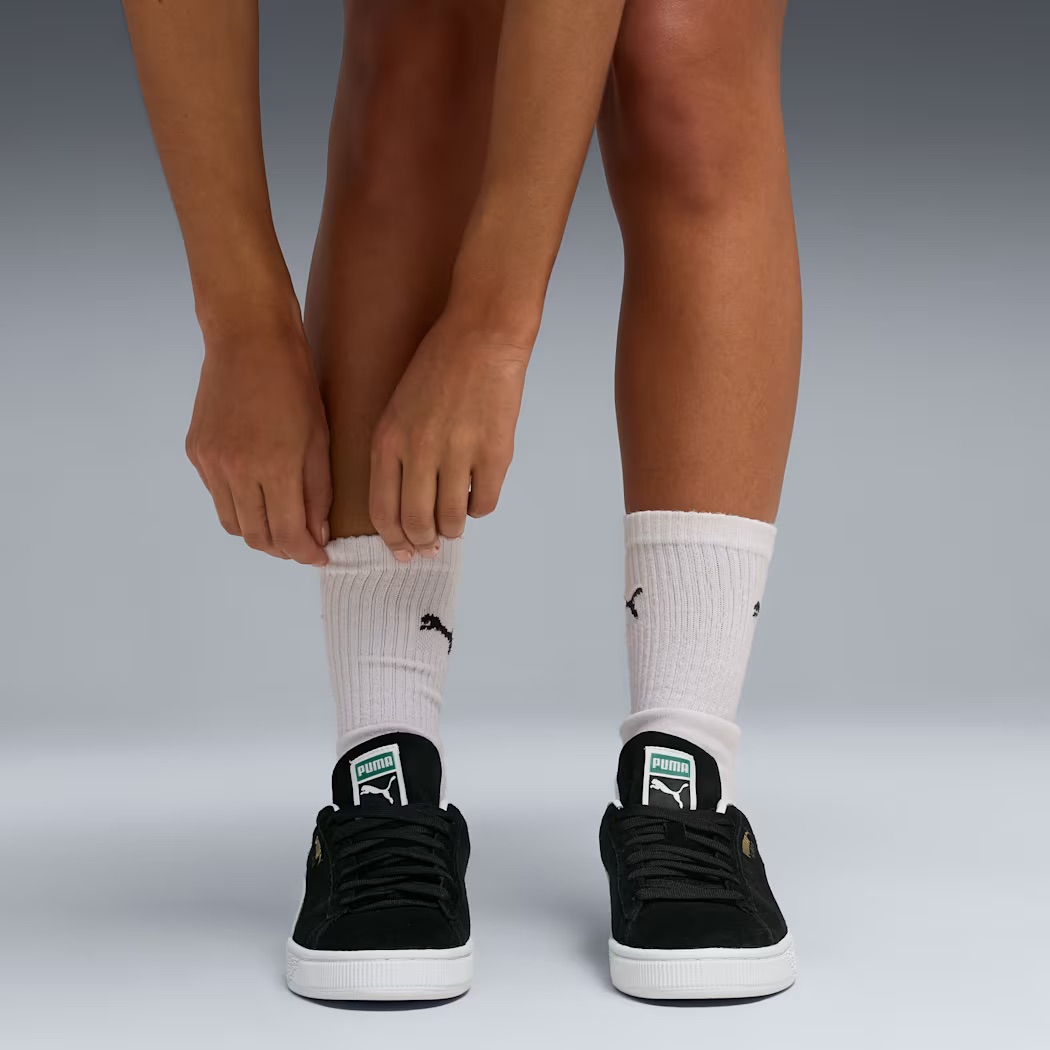
PUMA Sneakers
PUMA's lifestyle story is built on three things that happened in three different decades. The Suede, introduced in 1968, never really left — it's the kind of classic that doesn't need a revival because it never fully disappeared. Rihanna's Fenty x PUMA partnership in 2014-2018 changed how the fashion world perceived the brand entirely. And a consistent run of collabs since then has kept PUMA in the lifestyle conversation without needing to dominate it. Meanwhile, on the basketball court, the picture is less comfortable — LaMelo Ball's star power aside, PUMA is losing ground fast. Two very different stories, same brand.
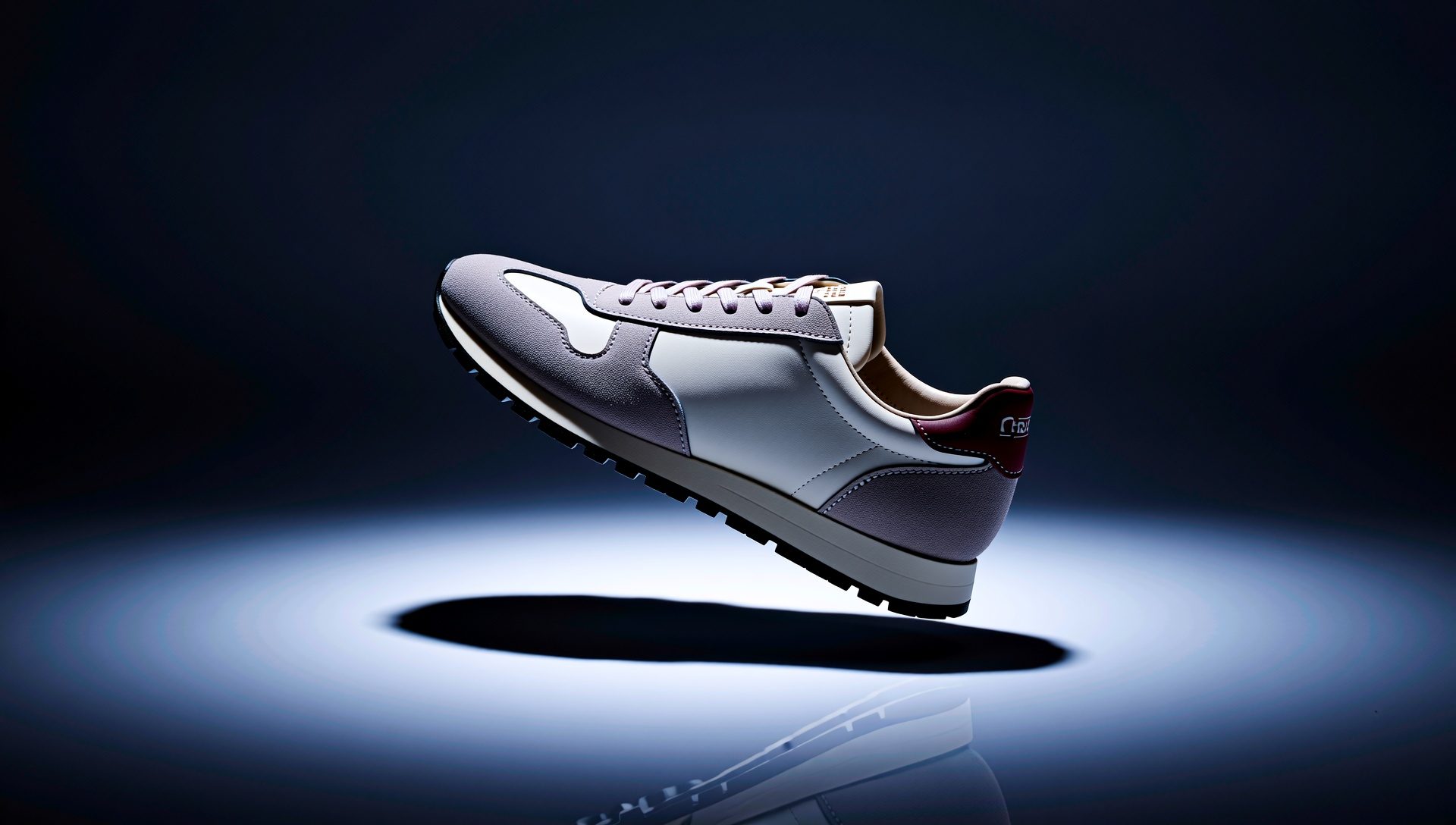
The Suede at 50+: why PUMA's most important lifestyle shoe never needed a comeback
Most classic sneakers need a revival — a cultural moment, a collab, a celebrity sighting that pulls them back from obscurity. The PUMA Suede is the exception. Since its debut in 1968, the Suede has transcended generations and cultural movements — embraced by breakdancers and hip-hop artists, then skaters, then streetwear culture, accumulating credibility in each era without losing its grip on the previous one.
The design has barely changed. A low-top silhouette in soft suede, the Formstrip on the side, a rubber sole. The story begins at the 1968 Olympics in Mexico City, where the Suede was famously raised by Tommie Smith — one of the most photographed moments in sports history, and an accidental endorsement that money couldn't have bought.
In 2025, PUMA collaborated with English tannery Charles F. Stead — founded in 1825 — to produce a Suede with premium leather available at Bodega, KITH, Concepts, and END Clothing. A shoe with 57 years of history, still finding new ways to stay interesting.
Rihanna changed everything: how Fenty x PUMA repositioned the brand in fashion culture
Before Fenty, PUMA was a competent sportswear brand with a strong heritage and a credible catalog. After Fenty, it was a fashion brand that happened to make athletic shoes. The distinction matters.
Rihanna was announced as global ambassador and creative director of PUMA's women's division in December 2014, and her initial tenure from 2014 to 2018 pushed the brand into more modern territory, channeling subcultures from goth to extreme sports. The first major product, the Fenty x PUMA Creeper, won Shoe of the Year at the FN Achievement Awards in 2016 and sold out almost instantly. The financial impact was immediate: PUMA's Q4 2014 sales totalled roughly $975 million, a 17.1% jump from the previous year, attributed directly to the Rihanna effect.
The partnership ended in 2018, returned in 2023 with the Avanti silhouette, and continues today as a multi-year collaboration. In 2025, Fenty x PUMA dropped the Avanti LS in multiple colorways alongside the Cat Cleat Jelly Sandal, inspired by Rihanna's roots in colorful Barbados. The cultural weight of the partnership hasn't diminished.
Beyond Fenty: the collab ecosystem that keeps PUMA lifestyle relevant in 2026
Fenty opened the door. What PUMA built behind it is a collab ecosystem that now operates independently of any single partnership.
A$AP Rocky became creative director of PUMA's F1 line in late 2023, meaning the most stylish couple alive — Rocky and Rihanna — became the first family of PUMA simultaneously. At his own Paris Fashion Week Men's show for SS25, Rocky dressed his models in PUMA accessories, Inhales, Mostros, and Speedcats.
The Speedcat, a 1999 Formula 1 racing shoe that had been dormant for decades, became the unlikely breakout of 2024. One resale site noted a 2,638% rise in searches for the Speedcat alone and a 2,022% bump in overall PUMA searches. The Mostro, a 1999 silhouette, followed a similar arc. In October 2025, PUMA collaborated with London-based designer Priya Ahluwalia on a new Suede edition, adding a mentorship initiative for young creatives alongside the product launch. The collab calendar is diverse enough that no single partnership defines PUMA's identity — which is exactly the right position.
Basketball reality check: why PUMA hoops is losing ground despite LaMelo Ball's star power
LaMelo Ball is culturally present. His MB series generates genuine hype, his colorways sell, his personality translates on social media. PUMA made the right call signing him. The problem is that cultural presence and court dominance are two different things, and PUMA is winning the first while losing the second.
In terms of NBA minutes played, PUMA remains behind Nike, adidas, Jordan, and New Balance. Tyrese Haliburton's debut signature line adds a second anchor alongside LaMelo, but two athletes don't build a performance brand. Nike has dozens of NBA players. adidas has Edwards, Harden, Lillard, and Mitchell. PUMA is playing catch-up in a game where the leading brands have decades of court credibility that can't be acquired quickly.
The picture in 2026: PUMA basketball is a lifestyle play dressed as a performance strategy. LaMelo's shoes sell because of LaMelo, not because coaches are recommending PUMA for its performance specs over Nike. Until that changes, the basketball side of PUMA is an extension of the lifestyle business — and should probably be treated as such.
The next PUMA drops we have our eye on
PUMA's lifestyle release calendar is one of the more unpredictable in the market — a mix of Suede iterations, Speedcat colorways, Fenty drops, and occasional archive revivals that nobody saw coming. The Mostro and Speedcat pipelines remain active. Fenty x PUMA continues with new drops under the multi-year partnership.
We track every confirmed PUMA release on this page — retail price, drop date, and whether it's worth moving on at launch.